









Does PPF Prevent Rust? What Ottawa Drivers Should Know Before Winter
Key Takeaways
PPF can reduce the risk of rust, but it is not a complete rustproofing treatment. The film protects painted surfaces from the chips, salt, and moisture that often start corrosion, while other areas still need separate care.
- PPF helps protect intact paint from road debris, salt, and moisture.
- It cannot repair existing rust or protect uncovered underbody components.
- Ottawa’s winter freeze-thaw cycles make regular washing especially important.
- Ceramic coating can add easier cleaning and environmental protection, but it does not replace PPF.
- Professional preparation and installation matter as much as the film itself.
Does PPF Prevent Rust? The Short Answer
If you are asking, “does ppf prevent rust,” the most accurate answer is: it can help prevent rust from starting on the painted areas it covers. Paint protection film creates a clear barrier over the finish, so road salt, water, and small pieces of debris are less likely to reach damaged paint. That makes PPF rust protection useful, especially on high-impact areas such as the front bumper, hood, fenders, and mirror caps.
PPF does not remove corrosion that already exists. If rust has started beneath the paint, covering it with film does not reverse the damage or reliably stop it from progressing. The surface should be inspected, repaired, and properly refinished before film is installed; otherwise, the film may simply conceal a problem that still needs attention.
The distinction is simple: PPF is preventive protection for paint, not a treatment for exposed metal or a substitute for underbody rustproofing. You can read a broader rust prevention guide for the same basic principle: stop moisture and salt from reaching vulnerable surfaces, while repairing corrosion before applying a protective layer.
How Does PPF Actually Protect Against Rust?
Paint protection film works by adding a sacrificial layer over selected exterior panels. It does not make every part of your vehicle corrosion-proof, but it can reduce the number of chips, scratches, and contaminants that reach the factory finish. That matters because once paint is broken, bare metal has a much easier path to moisture and oxygen.
The value of PPF is therefore indirect but practical. It helps preserve the paint system that already protects the metal underneath, particularly where winter driving creates repeated impact and contamination. The film also makes the protected surface easier to maintain, which can help you remove salt before it sits for long periods.
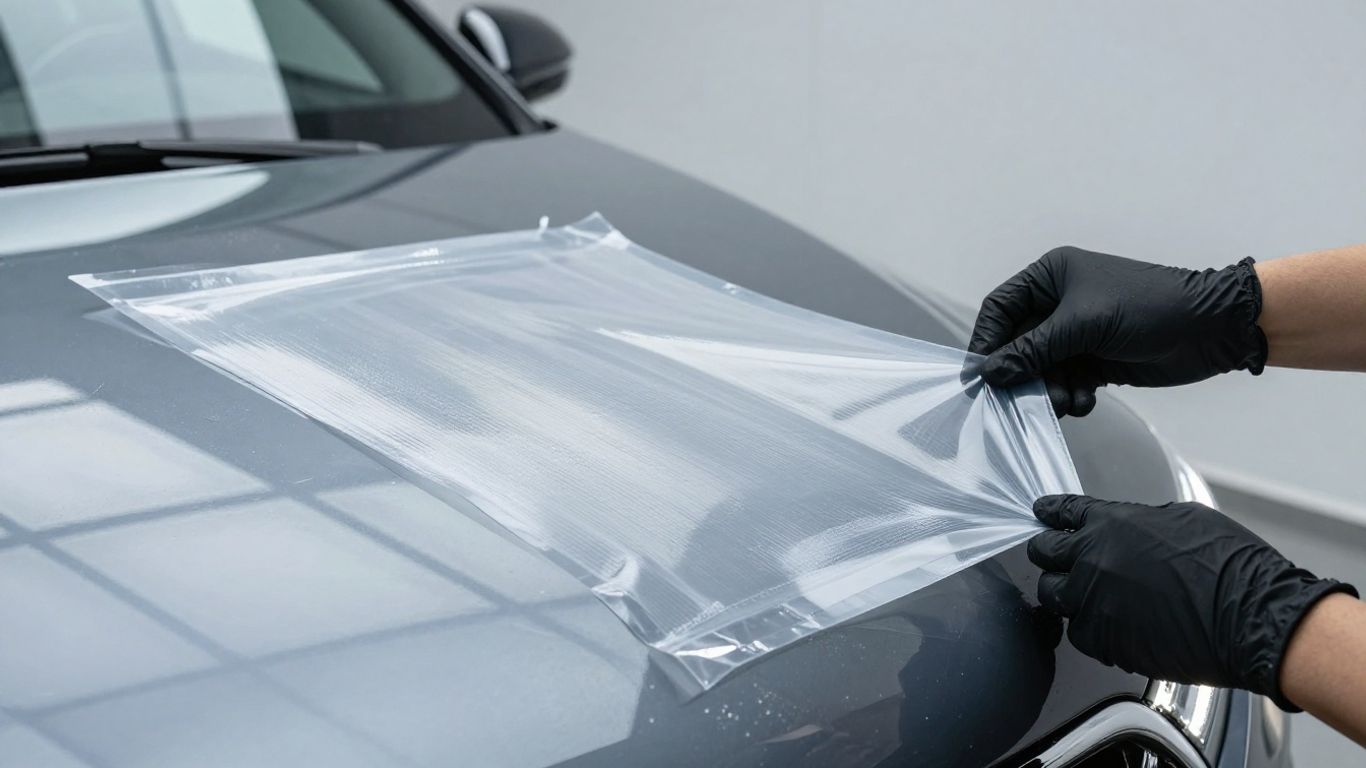
PPF Blocks Road Salt and Moisture From Reaching Bare Paint
Road salt does not need a dramatic scratch to become a problem. It can collect around chips, seams, edges, and areas where the clear coat has been worn down, then remain damp through repeated winter driving. A properly installed film layer helps shield the painted surface from that combination of salt and moisture.
This does not mean water can never reach the panel or that film covers every seam. It means the exposed paint has another physical layer between it and common road contamination. The condition beneath the film matters: clean, sound, properly prepared paint gives the film the best chance to perform as intended.
When you wash the vehicle, pay attention to film edges and panel gaps without forcing a pressure washer too close. Gentle maintenance helps keep the surface clean and reduces the chance that grit will be dragged across the finish.
PPF Shields Against Stone Chips That Expose Metal
Stone chips are one of the clearest links between PPF and paint protection film car rust prevention. A small piece of gravel can break through the clear coat and paint in an instant, especially on the hood, bumper, and lower front fenders. PPF absorbs much of that everyday abuse before the underlying paint is struck directly.
The precise coverage depends on the kit and installation plan, so you should discuss your driving habits and the panels most exposed to impact. A commuter who spends time on salted highways may prioritize different areas than someone who drives mainly in the city.
A practical way to think about the protection is to compare the layers rather than expect one product to do everything:
| Protection layer | Main job | Rust-related value |
|---|---|---|
| Factory paint and clear coat | Seals and finishes exterior panels | Provides the first barrier over metal |
| Paint protection film | Absorbs chips and shields covered paint | Reduces damage that can expose metal |
| Ceramic coating | Helps repel grime and simplifies cleaning | Supports maintenance of the protected surface |
| Underbody treatment | Covers selected underside components | Addresses areas exterior film does not reach |
The table also shows why PPF should be viewed as one part of a maintenance plan. It is strongest where impact protection is needed, not where the vehicle’s underside is exposed to slush and salt.
What PPF Does NOT Protect Against
PPF only protects the surfaces where it is installed. It is not a full-vehicle corrosion barrier, and it does not replace inspections, washing, paint repair, or underbody care. Understanding that boundary helps you buy the right level of protection instead of expecting exterior film to solve every winter-related issue.
The film also should not be installed over active rust, bubbling paint, loose clear coat, or neglected contamination. Those conditions can affect the finish underneath and make the installation less durable. If you are unsure about the paint’s condition, an inspection or paint correction service may be the more sensible first step.
Areas PPF Doesn’t Cover (Undercarriage, Wheel Wells, Frame Rails)
Most exterior PPF packages focus on painted body panels and selected high-impact areas. The undercarriage, inner wheel wells, suspension components, exhaust parts, frame rails, and many fasteners are outside that coverage. These areas can still collect wet salt and road grime even when the visible paint looks clean.
That is why a vehicle with PPF can still develop corrosion underneath if it is not washed and inspected. You should treat film as targeted paint protection, then use appropriate care for the underside and other exposed components. The right approach depends on the vehicle’s age, condition, construction, and winter use.
Before winter, check for stone chips, bubbling paint, damaged trim, and buildup around wheel arches. Addressing small problems early is usually easier than trying to diagnose a larger corrosion issue after several months of salt exposure.
Why Ottawa Winters Make Rust Prevention Non-Negotiable
Ottawa gives corrosion several opportunities to begin and continue. Snow and slush carry salt onto the vehicle, while changing temperatures move the surface repeatedly between wet, frozen, and thawed conditions. Each cycle can push moisture into small chips, seams, and hard-to-clean areas.
You cannot avoid every contaminant if you drive through winter, but you can limit how long it remains on the vehicle. That is where a sensible combination of paint protection, washing, and underside maintenance becomes more valuable than any single product. Drivers who park outside or travel frequently on major roads should be especially attentive.
Road Salt, Slush, and Freeze-Thaw Cycles
Salt lowers the freezing point of water, so winter moisture can remain active on the vehicle at temperatures where plain water might freeze. Slush then carries that mixture into wheel wells, rocker panels, door edges, and the underside. When the vehicle warms in a garage or during a drive, the residue can become wet again and continue affecting vulnerable areas.
A winter routine does not need to be elaborate. It needs to be consistent and gentle enough that you do not add scratches while removing the contamination. These habits are particularly useful during periods of frequent snowfall and temperature swings:
- Rinse the lower body, wheel wells, and underside when practical.
- Wash after heavy salt exposure rather than waiting for spring.
- Repair deep chips before they collect moisture and grime.
- Inspect film edges and painted seams for lifting or damage.
These steps will not make a vehicle immune to rust, but they reduce the time that corrosive residue remains in contact with the finish. PPF then has a cleaner, better-maintained surface to protect.
PPF vs Ceramic Coating vs Rustproofing: What Actually Stops Rust?
PPF, ceramic coating, and rustproofing serve different purposes, so comparing them as if they were interchangeable can lead to disappointment. PPF is a physical film designed to protect covered painted surfaces from impacts and everyday damage. Ceramic coating forms a bonded protective layer that can help with contamination, gloss, and easier cleaning, but it is not a thick impact shield.
Rustproofing is aimed more directly at corrosion-prone areas, particularly parts of the underside and cavities that exterior film does not cover. Its suitability depends on the product, application method, vehicle condition, and technician’s process. You should ask exactly which surfaces are treated rather than assuming the entire vehicle receives identical coverage.
For many vehicles, the most practical answer is layered protection. PPF can defend high-impact paint, a coating can make maintenance easier, and appropriate underbody care can address areas exposed to slush. The best combination depends on how much you drive, where you park, the vehicle’s age, and whether the paint already needs correction.

How Long Does PPF-Based Rust Protection Last?
PPF-based rust protection lasts only as long as the film remains in good condition and the covered paint stays properly maintained. Film life can be affected by installation quality, sun exposure, road debris, cleaning habits, and the amount of winter driving. Peeling, lifting, deep cuts, yellowing, or damaged edges are signs that a panel may need professional attention.
The film itself is not a permanent promise against corrosion. It is a replaceable protective layer, and a damaged section should be assessed rather than ignored. Prompt replacement can restore coverage, while leaving a torn edge exposed may allow dirt and moisture to collect around the damaged area.
You can extend its useful life by using clean wash tools, avoiding abrasive products, and following the installer’s care instructions. Professional PPF installation options can also help you clarify coverage, finish choices, preparation, and maintenance before work begins.
Best Practices to Maximize Rust Protection With PPF
PPF works best when you treat it as part of an ongoing care routine. Film protects the surface, but it cannot remove salt on its own or compensate for neglected chips and damaged edges. A few repeatable habits can preserve both the appearance of the film and the condition of the paint underneath.
Wash Off Road Salt Regularly Through Winter
You should rinse salt from the vehicle whenever conditions allow, with extra attention to the lower panels and wheel wells. A touchless or careful hand wash can remove residue without grinding grit across the film. Avoid scraping frozen contamination aggressively, since sharp tools and trapped grit can damage the surface.
A simple sequence makes winter maintenance easier to remember:
- Rinse loose salt and grit before touching the paint.
- Clean the upper panels with a vehicle-safe wash solution.
- Flush wheel wells, rocker panels, and lower bumpers.
- Dry gently and inspect film edges for lifting or tears.
The goal is not a perfect finish after every commute. It is to prevent corrosive residue from sitting undisturbed for weeks, especially in creases and areas where airflow cannot dry the surface quickly.
Combine PPF With Ceramic Coating for an Extra Layer
A ceramic coating can be applied as part of a broader protection plan, depending on the film and the manufacturer’s compatibility guidance. Its main advantages are a slicker surface, easier removal of grime, and additional resistance to environmental contamination. It does not replace PPF’s impact protection or provide coverage for the undercarriage.
You should ask whether the proposed coating is intended for film, paint, or both, and whether the surfaces need preparation first. A reputable installer can explain the order of work and the maintenance requirements. For more background, this overview of ceramic coating benefits explains how coating is used for environmental protection and easier upkeep.
Used sensibly, the combination can make winter care less frustrating: PPF helps reduce chip damage, while coating may help you wash away dirt and salt more easily. Neither layer removes the need to inspect and clean the vehicle.
Get Your Vehicle Winter-Ready: Professional PPF Installation in Ottawa
Preparing your vehicle for winter starts before the film touches the paint. The installer should assess the finish, identify existing chips or corrosion, clean the surface thoroughly, and determine which panels make sense for your driving pattern. Installing over damaged or contaminated paint can undermine the result.
You should also ask about the film’s coverage, finish, edge treatment, care instructions, and what happens if a section is damaged later. Clear answers are more useful than a broad promise that the entire vehicle is protected. A written plan can help you understand exactly what you are paying for and which areas still need separate rust prevention.
If you drive regularly in Ottawa’s salt and slush, targeted PPF may be a worthwhile part of your winter preparation. Combine it with regular washing and appropriate underbody care, and you have a more realistic strategy for preserving the paint and reducing preventable corrosion.
Conclusion
PPF can help prevent rust by protecting covered paint from the chips, salt, and moisture that often begin corrosion, but it is not complete rustproofing. When you combine professionally prepared film with regular winter washing, timely paint repairs, and care for uncovered underside areas, you give your vehicle a much better chance of staying protected through Ottawa’s demanding winter conditions.
Frequently Asked Questions
Can PPF stop rust that has already started?
No. PPF is preventive protection and cannot repair or reliably stop existing rust. Corrosion should be assessed and repaired before film is applied.
Does PPF cover the entire vehicle?
Usually not. Coverage commonly focuses on painted exterior panels and high-impact areas, while the undercarriage, wheel wells, frame rails, and other components may remain uncovered.
Can road salt damage paint under PPF?
PPF helps shield covered paint from road salt, but it is not an airtight guarantee. Damaged film, lifting edges, poor preparation, or neglected cleaning can reduce protection.
Should you install PPF before winter?
Installing it before heavy winter exposure can make sense when the paint is clean, sound, and properly prepared. You should repair chips and corrosion first rather than covering them.
Is ceramic coating better than PPF for rust prevention?
Neither is universally better. PPF is designed to protect against impact damage, while ceramic coating helps with surface contamination and maintenance. They address different risks.
How often should you wash a car with PPF in winter?
Wash or rinse it whenever practical after significant salt exposure, paying close attention to lower panels, wheel wells, and other areas where slush collects. Consistency matters more than a fixed schedule.
Does PPF protect the undercarriage from rust?
No. Exterior PPF generally does not cover most underbody components. The underside needs its own inspections, cleaning, and any appropriate corrosion-protection treatment.