








What Is Windshield Protection Film: A Complete Guide for Car Owners
We get asked “what is windshield protection film?” often enough at our Ottawa shop that it’s worth laying out properly. Between vehicle wraps and glass protection, we spend a lot of time explaining what this film actually does versus what people assume it does — so here’s the real breakdown.
What Is Windshield Protection Film, Exactly?
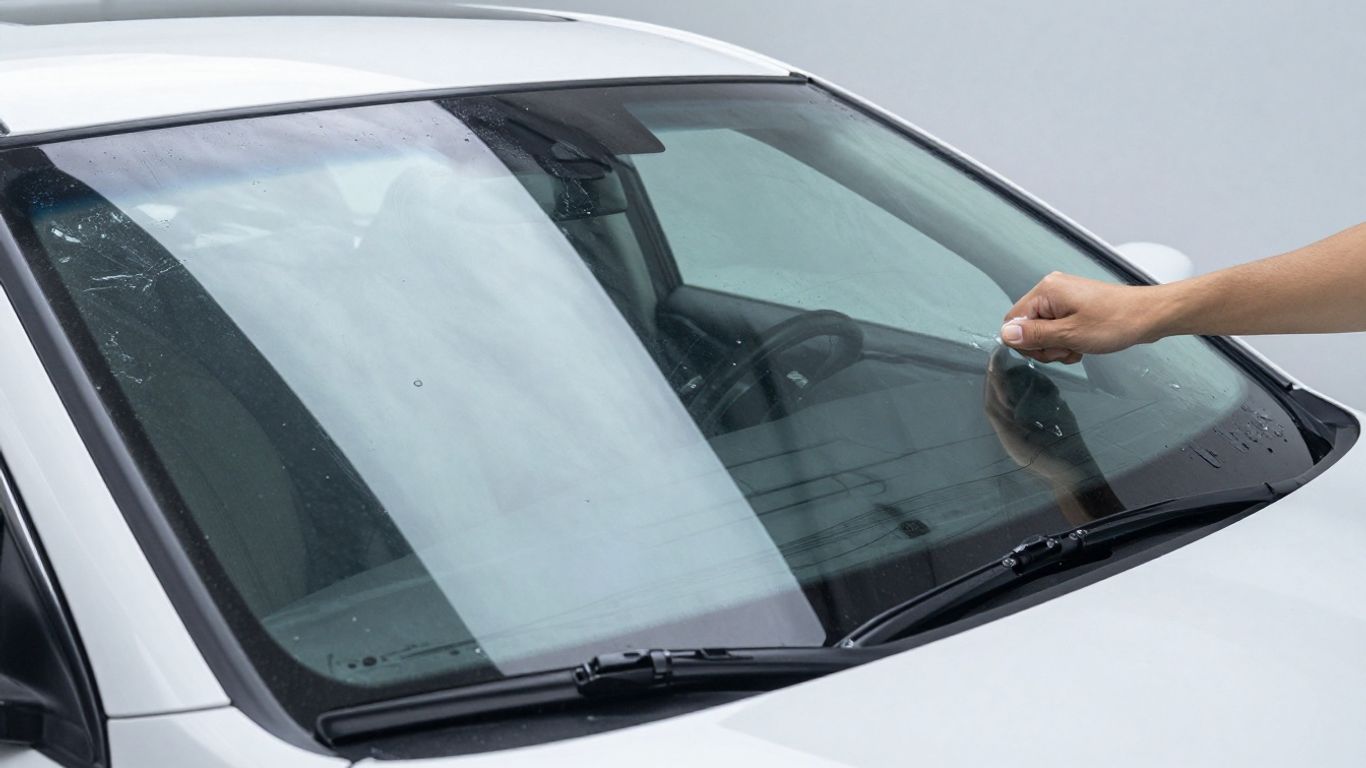
Windshield protection film is a transparent, multi-layered polyurethane film applied to the exterior of your windshield. It acts as an invisible shield that absorbs the impact energy from road debris — small stones, gravel, whatever gets kicked up by the vehicle ahead of you — that would otherwise chip or crack the factory glass underneath.
Think of it as a sacrificial outer layer that takes the hit so your actual windshield doesn’t have to. Quality film is engineered to handle heat and constant sun exposure without yellowing or losing clarity over time, and it fills a real gap between basic glass cleaning and the genuine vulnerability of exposed automotive glass on the highway.
Why Modern Windshields Need It More Than Older Ones Did
Today’s windshields are more complex than they used to be — many integrate sensors and cameras for driver-assistance systems directly behind the glass. When that kind of windshield gets damaged, the repair isn’t just filling a chip; it often means recalibrating the entire ADAS system behind it, which adds real cost and complexity to what used to be a simple fix.
| Damage Type | Severity | Impact on ADAS | Expected Cost |
|---|---|---|---|
| Surface pitting | Low | Minimal | Low |
| Deep chip | Medium | High | Moderate |
| Full crack | High | Critical | High |
Modern glass is also increasingly lightweight to help with vehicle efficiency, which unfortunately makes it more vulnerable to everyday road hazards. A properly installed film gives that glass meaningful reinforcement against high-speed impacts, and it noticeably lowers how often you’ll be facing a professional repair.
How the Film Actually Works
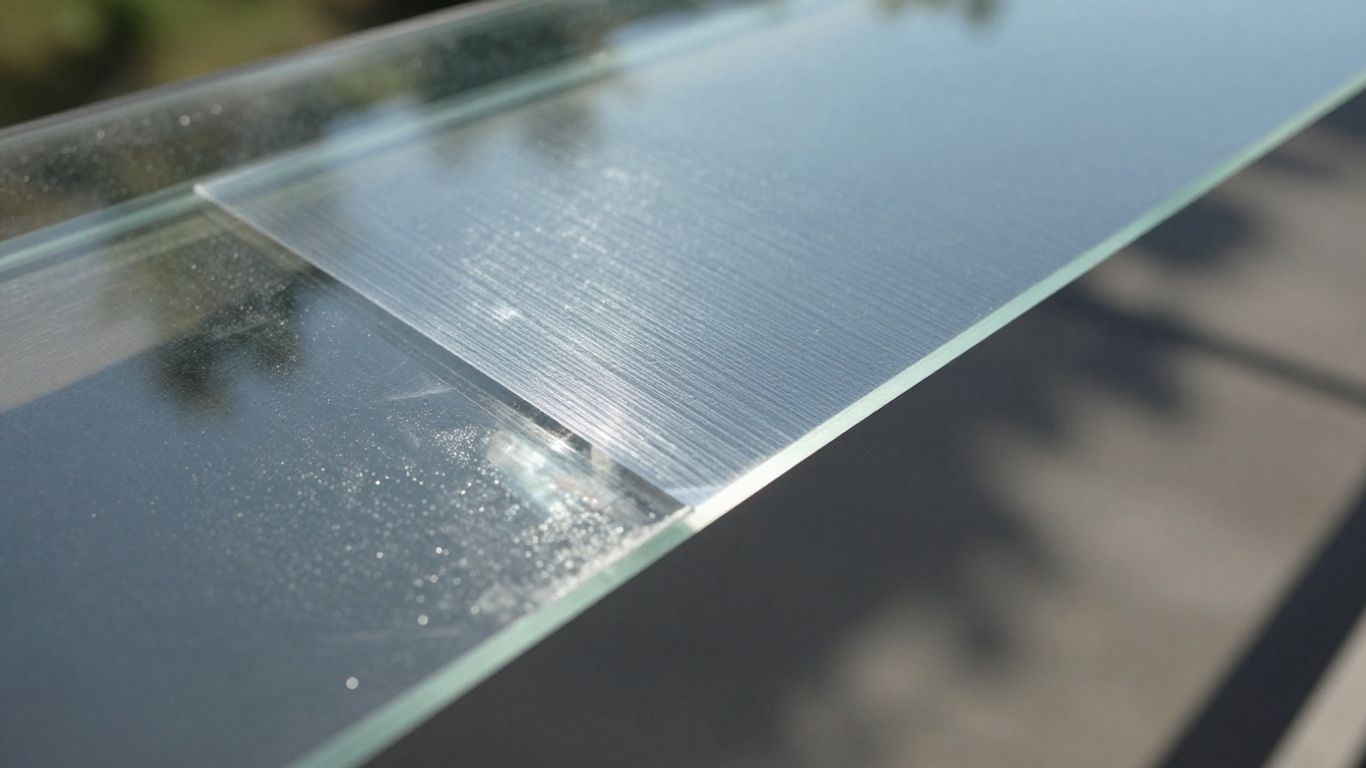
The film disperses the kinetic energy from an impact across a wider surface area instead of letting it concentrate at a single point. When a rock hits the film, the impact force spreads out rather than punching straight through to the glass, which is what prevents the sudden stress fracture you’d otherwise get.
Installation matters more than people expect for how well this works long-term. The general process:
- Clean the glass thoroughly with an alcohol-based solution to remove all oils
- Use a heat gun carefully to shrink the film to the windshield’s exact contour
- Apply a slip solution evenly for precise positioning before final placement
- Squeegee out all trapped liquid, working from the center outward
This is genuinely a job for a professional installer — a seamless fit is what keeps the film invisible once it’s cured, with high enough visible light transmission that you won’t notice it’s there, even from inside the car.
Why Owners Actually Install It
The most common reason we hear is straightforward cost avoidance — the film functions as a real alternative to repeated windshield chip repairs, giving you a sacrificial layer that can be removed and replaced if damage does get through, rather than dealing with the glass itself every time.
It also holds optical clarity well over years of use, which matters most for anyone spending significant time on highways where gravel and debris get kicked up constantly by other vehicles. On top of the impact protection, the film adds a layer of UV protection that helps keep cabin temperature more stable and protects your dashboard from sun damage over time.
Is It Right for Your Vehicle?
This mostly comes down to how and where you drive. If you’re frequently in construction zones or on highways with regular truck traffic kicking up debris, the upfront cost tends to pay for itself in avoided repairs.
Owners of luxury or collector vehicles benefit in a specific way too — replacing specialty factory glass on those cars can be difficult or genuinely expensive, and the film helps maintain resale value by preventing the small pockmarks that otherwise accumulate and show up as “neglect” during a pre-sale inspection.
If your driving is mostly low-speed and residential, the case is a bit less urgent, though rocks and debris can still cause unexpected damage even at lower speeds. For most daily commuters, it’s a practical safety net against hazards you can’t really predict or avoid.
Windshield Film vs. Other Protection Options
Ceramic coatings are great for hydrophobic properties — water beading and easier cleaning — but they don’t offer meaningful impact resistance. They’re a companion to windshield film, not a substitute for it.
Window tint is a different product entirely — applied on the interior side of glass to manage heat and privacy, versus protection film, which is applied externally specifically to absorb high-velocity impacts. The two serve different roles and shouldn’t be treated as interchangeable.
Within the category of glass protection specifically, this film remains the specialized option — it balances near-total invisibility with real structural benefit in a way generic clear wraps aren’t built to do.
Caring for Installed Film
Maintenance is genuinely simple. Keep the surface free of grit that could act as an abrasive under your wipers, and stick to gentle soap-and-water cleaning — avoid harsh chemicals or abrasive scrubbing, which can dull the film’s clarity over time. Worn wiper blades are worth replacing promptly too, since a degraded blade dragging across the film is one of the more common causes of surface scratching we see.
If the film does show wear after several years, it can be professionally removed and replaced without needing to touch the glass underneath — a much simpler refresh than dealing with the windshield itself.
Frequently Asked Questions
Does the film affect wiper performance?
No, properly installed film with well-maintained wiper blades handles regular use without any loss of wiper efficiency.
Is the film visible once installed?
Essentially no — quality film is engineered for high optical clarity, and once cured it’s very difficult to distinguish from the factory glass underneath.
Can film be applied over a windshield that already has chips?
Technically possible, but we generally recommend applying it to clean, undamaged glass — installing over existing chips risks trapping moisture or air underneath.
Will the film yellow over time?
Quality modern films include UV stabilizers specifically to resist yellowing, cracking, or peeling over their working life.
Does it protect against something like a falling tree branch?
No — the film is built for flying gravel and typical road debris, not large or heavy blunt-force impacts. It significantly reduces chip and crack risk from everyday driving, not everything.
Any cleaners I should avoid?
Skip solvents and harsh ammonia-based cleaners — both can damage the film’s surface finish over time. Soap and water is genuinely all it needs.
Can it go through an automatic car wash?
Generally yes — quality film holds up to typical automatic wash cycles, though it’s worth confirming against your specific film’s manufacturer guidance.
Ready to Protect Your Windshield?
If you’re in Ottawa and want windshield protection film installed properly, our team at The Wrap Factory handles it alongside our wrap work. Reach us at (613) 715-1765 or info@wrapfactory.ca, or stop by at 5330 Canotek Rd. Unit 24.